
Financial Costs to Municipalities and Drivers
Municipal Costs
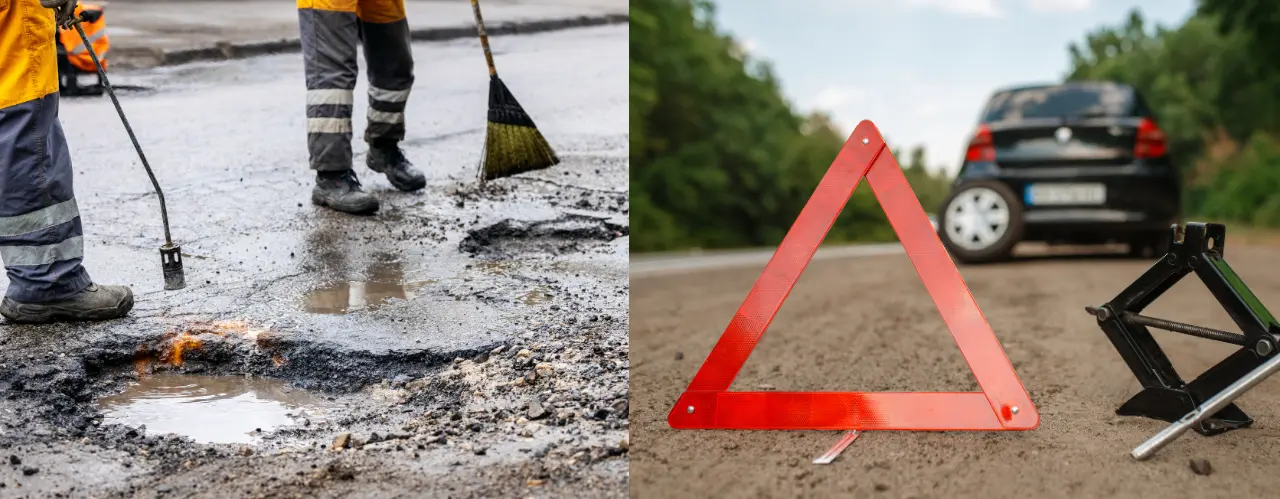
- Road Maintenance and Repairs: Pothole repairs are a significant expense for local governments. Regular maintenance and emergency repairs can strain municipal budgets, diverting funds from other essential services. Cities across the globe allocate billions of dollars annually to road maintenance and pothole repairs to keep their road networks safe and functional.
- Increased Budget Allocation: Persistent pothole issues often necessitate increased budget allocations for road maintenance. Major cities invest heavily in road repairs, impacting their ability to fund other critical infrastructure projects.
Driver Costs
- Vehicle Repairs: Potholes cause extensive damage to vehicles, leading to costly repairs for drivers. Common damages include tire punctures, bent rims, and suspension issues. According to various automobile associations, pothole-related repairs can cost drivers thousands to billions of dollars annually.
- Insurance Claims: Frequent pothole-related damage can lead to increased insurance claims, potentially raising premiums for drivers. In some cases, insurance may not cover all repair costs, leaving drivers to bear significant out-of-pocket expenses.
Effects on Road Safety and Public Health
- Accidents and Injuries: Potholes are a major safety hazard, causing drivers to swerve or lose control of their vehicles. This can lead to accidents, resulting in injuries or fatalities. Reports from transport safety bureaus worldwide indicate that poor road conditions, including potholes, contribute to many road accidents annually.
- Vehicle Control: Sudden encounters with potholes can cause drivers to lose control, particularly at high speeds—this affects not only the driver and passengers but also other road users.
Public Health
- Stress and Fatigue: Regular encounters with potholes contribute to driver stress and fatigue. The constant need to navigate around these hazards can make driving more tiring and stressful, impacting overall mental health.
- Environmental Impact: Pothole-related traffic congestion increases vehicle emissions, contributing to air pollution. Poor air quality can lead to respiratory issues and other health problems for local residents.
Long-term Impact of Potholes on Infrastructure
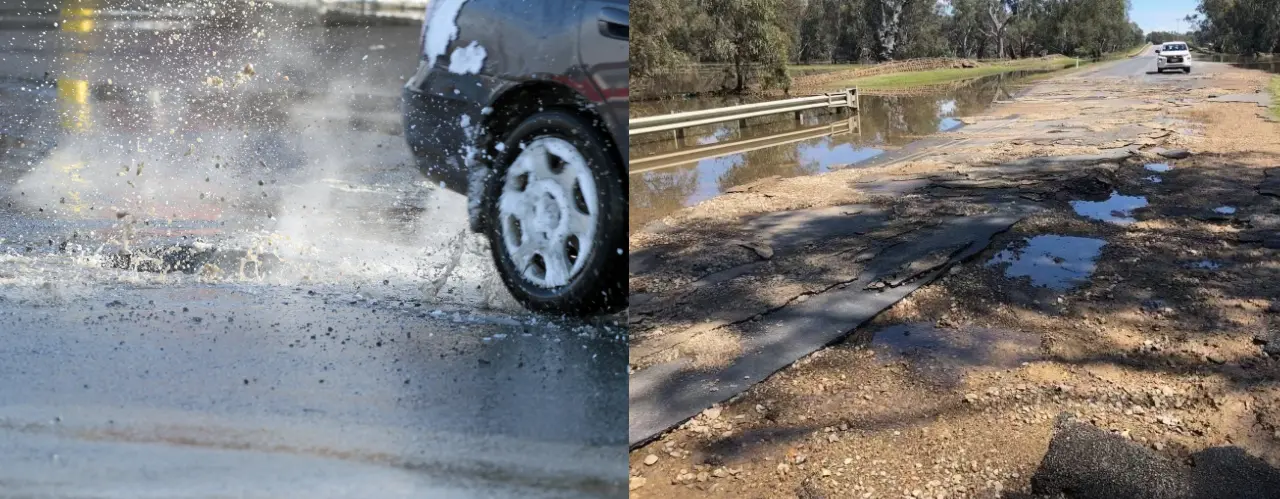
- Progressive Damage: Potholes, if left unrepaired, lead to progressive damage to road surfaces. Water infiltration through potholes can weaken the underlying pavement layers, causing more extensive and costly damage over time.
- Reduced Lifespan: Frequent and severe pothole formation can significantly reduce the lifespan of road infrastructure. Roads that are regularly damaged by potholes require more frequent resurfacing and reconstruction, increasing long-term maintenance costs.
- Business Disruption: Poor road conditions can deter businesses from operating in affected areas. Delays and increased transportation costs due to potholes can disrupt supply chains and reduce economic efficiency.
- Property Values: Areas with poorly maintained roads often see a decline in property values. Prospective buyers and businesses may be less inclined to invest in regions with significant infrastructure issues, impact local economies.
- Accessibility Issues: Potholes can affect the accessibility of roads for emergency services, public transportation, and cyclists. Poor road conditions can delay response times for emergency vehicles, impacting community safety.
- Quality of Life: The overall quality of life in communities with prevalent pothole issues can decline. Residents may experience increased travel times, vehicle repair costs, and safety concerns, contributing to a lower quality of life.

Potholes Solution: Renolith-Enhanced Pavements
Introducing an innovative solution to combat the pervasive issue of potholes, Renolith-Enhanced Pavements represent a revolutionary advancement in road infrastructure technology. Designed specifically to tackle the persistent challenge of deteriorating road surfaces caused by potholes. Renolith nanotechnology has been proven effective in more than 70,000,000 square meters of pothole-free roads worldwide. Early Renolith pavements remain in excellent condition after 15–25 years, showing no signs of deterioration. These pavements have withstood extreme conditions such as high fatigue loading, freeze/thaw cycles, and monsoonal flooding.
Renolith-enhanced cementitiously stabilised pavements are highly resistant to water-induced damage and are not susceptible to typical distress modes such as potholing and rutting. This reduces the maintenance burden and results in construction cost savings of between 15% and 60%. For further details on implementing Renolith nanotechnology in your infrastructure projects and to explore its benefits firsthand, please do not hesitate to contact us.
Conclusion
Potholes are more than just road nuisances; they represent significant economic and social burdens. Municipalities worldwide grapple with hefty repair costs, diverting funds from essential services, while drivers face financial strain from vehicle damages and insurance claims. Beyond financial implications, potholes compromise road safety, contribute to environmental pollution, and diminish community well-being. Renolith-enhanced pavements offer a sustainable solution, proven effective in over 70,000,000 square meters of pothole-free roads globally. Resistant to water damage and typical distress modes, these pavements reduce maintenance costs and provide long-lasting infrastructure. Embracing Renolith technology presents an opportunity to transform road infrastructure, enhancing safety, and quality of life for all.