
Introduction
Mine haul roads might not be the first thing that comes to mind when you think about mining, but they are the lifeline of every operation. Trucks depend on them, production relies on them, and safety is tied directly to their condition. Yet in many mines, haul roads do not always get the attention they deserve. So, what happens when these critical roads are left unchecked?
Let’s break it down.
1. Rising Maintenance Costs
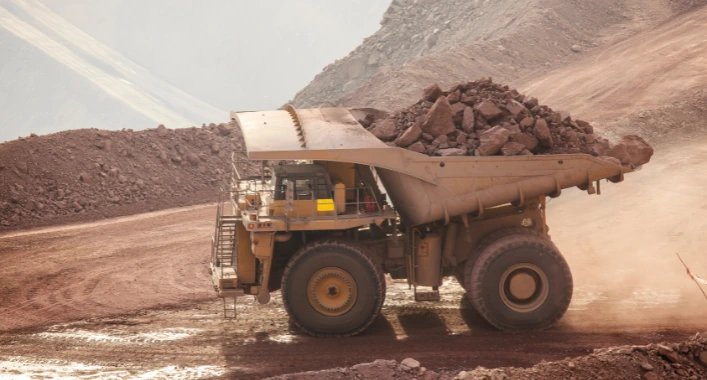
When haul roads are not looked after, they quickly start to break down with potholes, ruts, corrugation, and uneven surfaces. What might appear as a minor inconvenience at first soon grows into a costly headache. Mines often end up spending more on short-term fixes instead of addressing the root cause. It is not only the roads that take the hit. Haul trucks, graders, and other heavy equipment travelling those roads suffer accelerated wear and tear. Tyres wear down faster, suspensions are stressed, and fuel systems take more strain. Over time, the cost of ignoring the road surface far outweighs the cost of maintaining it properly from the start.
2. Reduced Truck Efficiency
A smooth, well-constructed haul road allows trucks to operate at consistent speeds and carry their loads efficiently. Once the surface deteriorates, trucks are forced to slow down, burn more fuel, and consume tyres at a much faster rate. Operators also need to brake and accelerate more often, which increases fuel consumption and engine stress. Multiply these small inefficiencies by hundreds of trucks and thousands of trips each year, and the financial impact becomes staggering. A mine can lose millions of dollars in productivity simply because the haul roads were not maintained to standard.
3. Safety Risks Increase
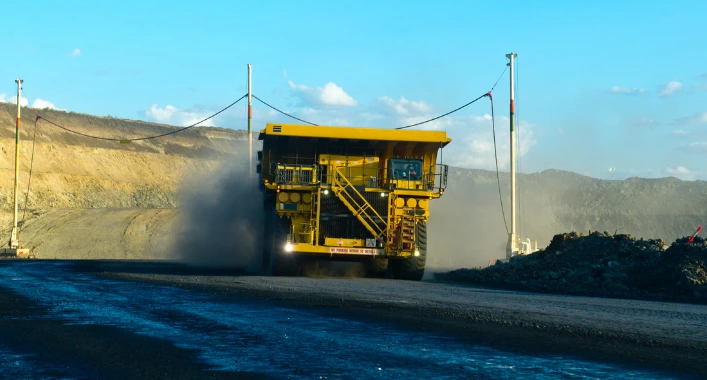
Haul roads are not just about efficiency. They are directly tied to safety. Rough or unstable roads increase the chance of tyre blowouts, vehicle rollovers, and collisions. For truck drivers, long shifts on bad roads cause more fatigue, slower reaction times, and higher stress levels, which all contribute to accidents. For the mining company, this means greater liability and the possibility of serious incidents that could have been avoided with timely upkeep. A safe haul road is not an optional feature. It is a critical part of keeping workers and equipment out of harm’s way.
4. Environmental Impact
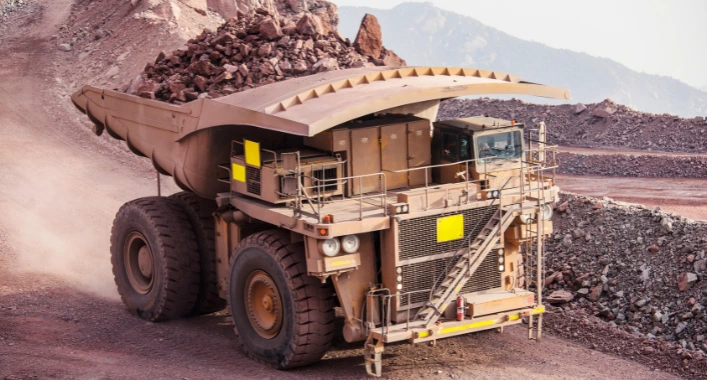
Poorly maintained haul roads create excessive dust, which reduces visibility and poses health risks for workers. In wet conditions, drainage problems lead to mud, standing water, and uncontrolled runoff. These issues do not stop at the mine gate. Dust can travel into nearby communities, while runoff can affect local waterways and ecosystems. Mines then spend more on water trucks, dust suppressants, and environmental compliance just to keep up. In many cases, these added costs could have been avoided if the roads had been properly stabilised and managed in the first place.
5. Productivity Slows Down
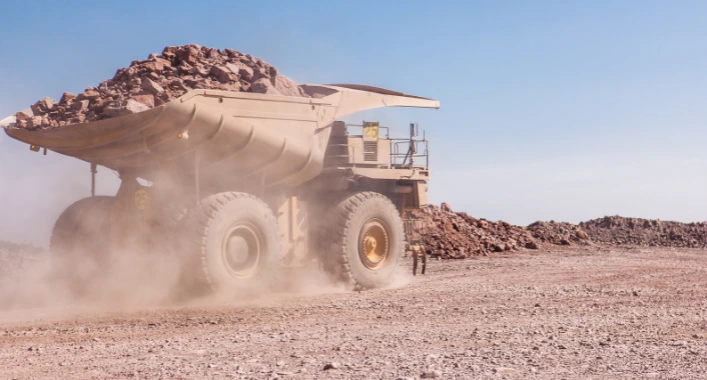
In mining, every second counts. Haul trucks need to move efficiently to keep production targets on track. When roads are rough, cycle times stretch out, fuel consumption climbs, and trucks spend more hours in the workshop instead of hauling material. Operators are forced to slow down for safety, which further reduces output. In extreme cases, parts of the pit may need to be closed until road repairs are carried out, bringing production to a standstill. These kinds of delays are preventable, and they highlight why haul roads must be treated as a critical investment rather than an afterthought.
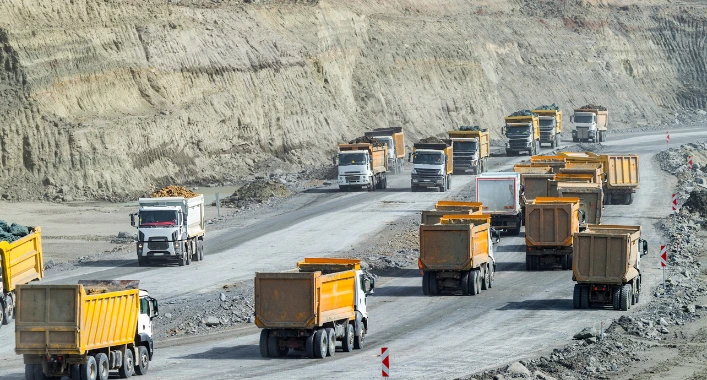
The Bottom Line: Roads Can’t Be an Afterthought
Ignoring haul roads is like ignoring the backbone of your mine. Every load that moves, every truck that operates, and every hour of production relies on a road network that is strong and reliable. When that backbone is weak, the entire operation feels the strain. The result is a cycle of higher maintenance costs, reduced truck efficiency, more frequent safety incidents, and lost production time.
The good news is that it does not have to be this way. With a clear maintenance strategy and smart investment in durable, long-lasting solutions, haul roads can do more than just serve as access routes. They can lower operating costs, extend the life of equipment, improve safety across the site, and reduce environmental impact. In many cases, the road becomes a competitive advantage rather than a constant source of problems.
For mines that think long term, building and maintaining haul roads to a higher standard is not an expense but an investment that pays back in stronger performance, safer operations, and more sustainable outcomes.