
Potholes are the bane of drivers and municipalities alike. These frustrating depressions in the road surface are a universal enemy of road users everywhere. Just when it seems like a road has been repaired, new potholes appear, causing frustration, delays, and even damage to vehicles. This constant cycle of repair and reappearance not only disrupts traffic but also drains public resources. The recurring nature of potholes begs the question: why do they seem to keep coming back despite ongoing maintenance efforts? Understanding the root causes of this persistent problem is crucial for addressing and managing it more effectively.
Key Reasons for Potholes Persistence
Freeze-Thaw Cycle
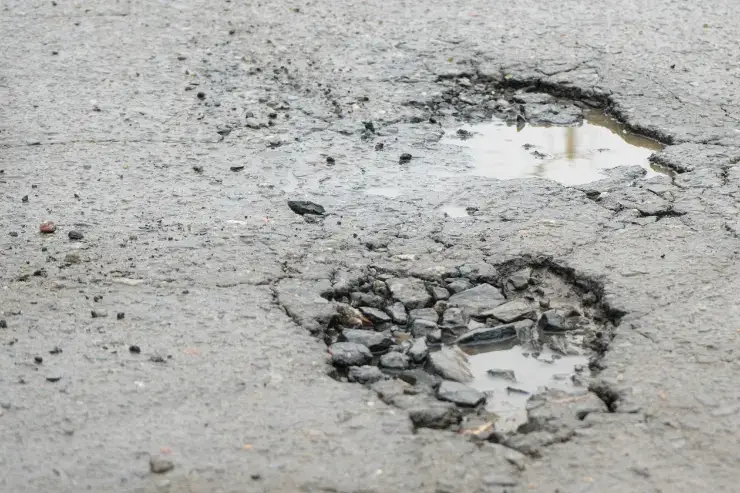
One of the primary reasons potholes keep reappearing is the freeze-thaw cycle. This cycle is particularly problematic in colder climates where temperatures fluctuate around the freezing point. Here’s how it works:
- Water Infiltration: Water from rain or melting snow seeps into small cracks in the pavement.
- Freezing: When temperatures drop, the water freezes and expands, causing the cracks to widen.
- Thawing: As temperatures rise, the ice melts, and the pavement contracts, leaving larger cracks behind.
This repeated expansion and contraction weaken the pavement structure, leading to the formation of potholes. The process repeats each time the temperature fluctuates, continually damaging the road surface.
Underlying Subsurface Issues
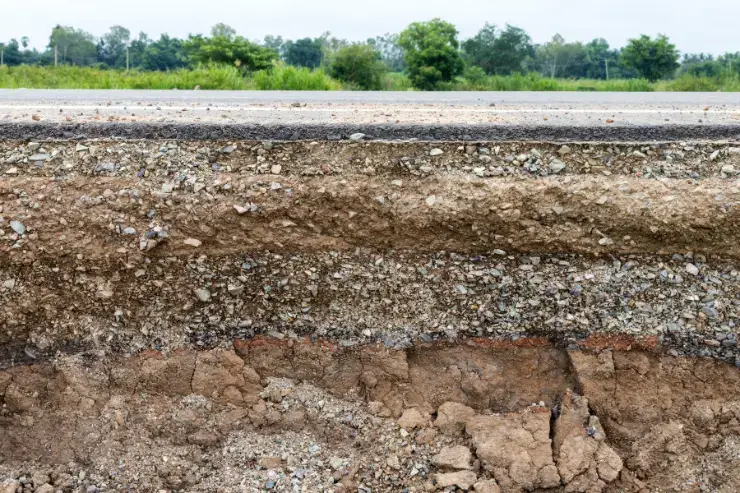
The stability of a road depends not only on the surface pavement but also on the underlying materials. Several subsurface issues can lead to pothole formation:
- Poor Soil Conditions: Weak or poorly compacted soils can shift and settle over time, causing the pavement to crack.
- Improper Drainage: Inadequate drainage systems allow water to accumulate beneath the pavement, weakening the road base and leading to potholes.
- Water Presence: Water trapped in the subsurface layers can cause erosion and destabilisation of the pavement above.
When the subsurface is compromised, the pavement above is more susceptible to cracking and forming potholes.
Short-Term Repairs
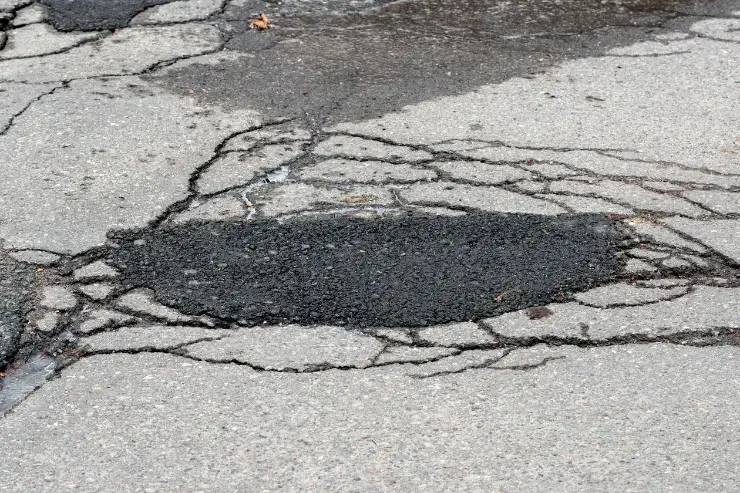
Often, pothole repairs are done using temporary measures rather than long-term solutions. These quick fixes, such as filling potholes with cold patch materials, are not durable and tend to degrade quickly. Factors contributing to the ineffectiveness of temporary fixes include:
- Low-Quality Materials: Cold patches and other quick-fix materials are generally less durable compared to more permanent solutions.
- Inadequate Compaction: Temporary repairs often lack proper compaction, leading to weak patches that crumble under traffic.
- Weather Exposure: Temporary patches are more vulnerable to weather conditions, especially heavy rain and freezing temperatures.
As a result, these temporary repairs often fail, leading to the reformation of potholes, sometimes within weeks or months.
Aging Infrastructure
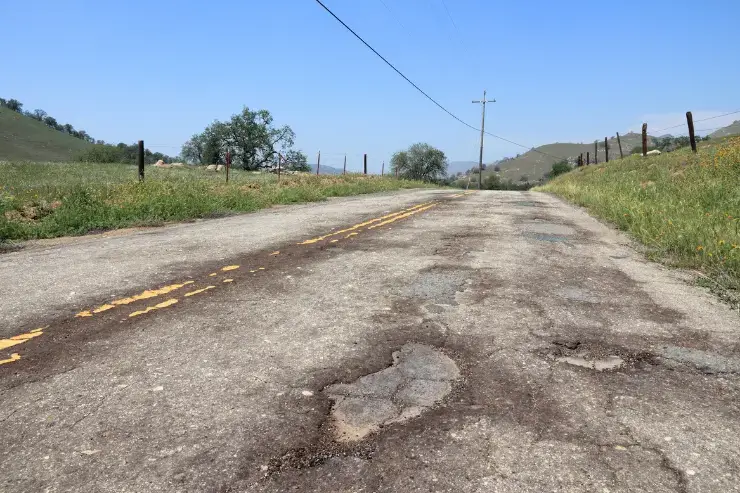
Many roads and highways are aging and were not designed to handle modern traffic loads. Several factors related to aging infrastructure contribute to the persistence of potholes:
- Wear and tear: Over time, the continuous passage of vehicles, especially heavy trucks, wears down the pavement.
- Design Limitations: Older roads may not have been designed to handle the current volume and weight of traffic, leading to faster deterioration.
- Delayed Maintenance: Budget constraints and other issues often lead to delayed or insufficient maintenance, allowing small issues to grow into larger problems.
Without significant investment in maintaining and upgrading aging infrastructure, potholes are likely to continue reappearing.
Conclusion
Potholes persist due to environmental factors, subsurface issues, inadequate repairs, and aging infrastructure. To address this ongoing problem, we need a comprehensive approach that includes better road design, improved maintenance practices, and the adoption of advanced technologies that prevent potholes from occurring in the first place. By understanding and tackling the root causes, we can develop long-lasting solutions to keep our roads smooth, safe, and resilient for all users.