

What is Pavement Failure?
Pavement failure refers to the deterioration or breakdown of the surface or structure of a pavement system, which includes roads, highways, parking lots, or any other paved surface. Pavement failure can occur for various reasons and manifest in different forms, compromising the integrity, functionality, and safety of the paved surface.
Types of Pavement Failures
Cracking
Cracking in pavement refers to the development of fissures or breaks in the surface, occurring in various patterns, each with its own distinct characteristics and causes.
1. Alligator Cracking: This specific pattern resembles the skin of an alligator and indicates fatigue failure. It occurs due to repeated loads over time, resulting in a series of interconnected cracks.
2.Block Cracking: Characterized by large, interconnected blocks, this form of cracking typically arises from poor drainage or frost heave, leading to the formation of block-like patterns on the pavement surface.
3. Longitudinal Cracking: These cracks align parallel to the direction of traffic flow. They often emerge due to factors such as traffic loading or inadequacies in construction techniques, manifesting as longitudinal fissures along the pavement.
4.Transverse Cracking: These cracks run perpendicular to the traffic flow. Typically caused by temperature fluctuations or construction flaws, they form a pattern that cuts across the pavement surface.

Implications of Cracking
Cracking in pavements leads to significant implications for road integrity and user safety. It includes safety hazards caused by uneven surfaces, and heightening accident risks, especially for vehicles with lower clearance. Additionally, cracks serve as entry points for moisture and harmful elements, hastening pavement degradation. This weakening of the pavement structure reduces its lifespan, often demanding premature repairs or rehabilitation measures to maintain road durability and safety.
Mitigation Strategies
- Conduct routine inspections to identify early signs of cracking and undertake necessary repairs promptly to avoid safety hazards.
- Implement improved joint design techniques to enhance load transfer and reduce stress concentrations.
- Ensure meticulous construction practices, including proper joint sealing, adequate sub-base compaction, and precise slab placement, to mitigate potential faults in the pavement structure.
Rutting
Rutting refers to the permanent deformation observed on road surfaces due to several influential factors:
■Heavy Traffic Loads: One of the primary contributors to rutting is the continuous pressure exerted by heavy vehicles. The constant weight and traffic impact on specific areas of the pavement lead to depressions and deformations over time. The repeated loading exacerbates the stress on the pavement, causing gradual indentations and surface inconsistencies.
■High Temperature: Extreme heat can significantly impact the pavement’s integrity, especially in regions experiencing high temperatures. Prolonged exposure to heat softens the asphalt binder, making it more susceptible to deformation under the weight of passing vehicles. This softening effect, coupled with traffic, can result in depressions, particularly in areas where vehicles come to a stop or change direction, such as intersections or traffic signals.
■Inadequate Pavement Thickness: Insufficient pavement depth is a critical factor in vulnerability to rutting. Pavements with inadequate thickness lack the structural support needed to withstand heavy loads and temperature variations. This deficiency makes them more prone to deformation, exacerbating the rutting problem.
■Subgrade Failure: Underlying soil conditions play a crucial role in supporting the pavement layers. Weaknesses or inconsistencies in the subgrade, such as poor compaction, inadequate soil strength, or improper drainage, can lead to uneven settlement. This settlement causes depressions and indentations on the surface, contributing significantly to rutting problems.

Implications of Rutting
Rutting not only compromises the smoothness and aesthetics of road surfaces but also poses serious safety concerns. The depressions and uneven surfaces created by rutting can lead to discomfort for road users, particularly for motorists and cyclists. It can cause vehicle instability, discomfort in driving, and potentially hazardous conditions, especially during inclement weather or at higher speeds.
Mitigation Strategies
- Implement preventive maintenance measures such as regular crack sealing and overlays using durable materials to minimize repeated loading impact and enhance pavement resilience.
- Enhance pavement design and construction practices, choosing materials suitable for temperature resilience. Employ joint sealing techniques to mitigate the occurrence of longitudinal and transverse cracking.
- Address subgrade weaknesses or inconsistencies by improving soil compaction, drainage, and strength.
- Soil stabilisation techniques can improve the load-bearing capacity of the subgrade, making it less susceptible to deformation under heavy traffic loads. This reduces the potential for rutting caused by inadequate subgrade support.
Ravelling
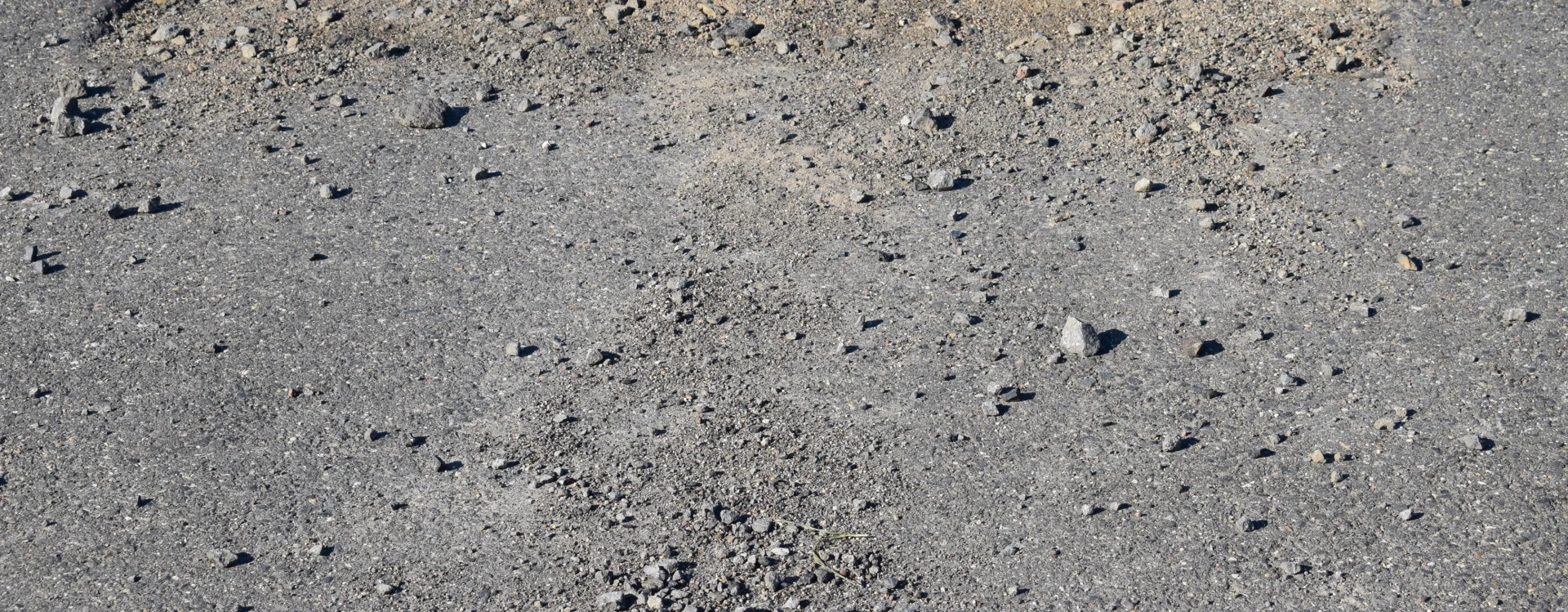
Raveling presents as the gradual disintegration or loss of aggregate from the pavement surface. This distress manifests through the separation and detachment of the asphalt surface layer’s aggregate particles, leading to a roughened and weakened surface texture.
■Aging and Weathering: Over time, exposure to environmental elements like sunlight, moisture, and temperature variations causes asphalt binders to oxidize and become brittle. This aging process deteriorates the adhesive properties, resulting in a weakened bond between the aggregate and the asphalt binder. As a consequence, the surface begins to lose its aggregate particles, initiating the raveling process.
■Inadequate Compaction during Construction: Improper compaction techniques or inadequate compaction efforts during pavement construction can lead to trapped air voids within the asphalt layer. These voids create weak points, promoting the separation of aggregate particles from the binder. Without proper compaction, the pavement becomes more susceptible to disintegration over time, accelerating the raveling distress.
Implications of Raveling
The loss of aggregate not only compromises the surface texture but also diminishes the pavement’s structural integrity and durability. As raveling progresses, it results in surface irregularities, reduced skid resistance, and increased susceptibility to further deterioration.
Mitigation Strategies
- Utilize proper sealants or coatings and consider materials resistant to frost heave to mitigate block cracking.
- Implement preventive maintenance practices, such as timely surface treatments and sealants, to protect against aging and weathering-induced raveling.
- Ensure thorough and proper compaction techniques during pavement construction to minimize trapped air voids that contribute to raveling.
Potholes
Potholes represent localized failures in pavements, characterized by bowl-shaped holes that form on the road surface. These distresses arise from a combination of environmental factors and traffic-related stresses, leading to substantial damage and safety hazards.
■Water Infiltration: Water infiltration is a primary catalyst in pothole formation. When water seeps into cracks or fissures within the pavement, it permeates the underlying layers, weakening the pavement structure. This process is particularly potent during rainy periods or when drainage systems are inadequate, causing the pavement base and subgrade to erode.
■Freeze-Thaw Cycles: Regions experiencing fluctuating temperatures are especially susceptible to pothole formation. When water seeps into pavement cracks and subsequently freezes during colder temperatures, it expands, exerting immense pressure on the pavement structure. As the ice thaws, it contracts, leaving voids and further deteriorating the pavement’s integrity. These repetitive freeze-thaw cycles eventually cause the pavement surface to break apart, leading to the formation of potholes.
■Traffic Loads: Constant traffic, especially heavy vehicles, exacerbates the degradation process. The combined impact of vehicles passing over weakened areas intensifies the stress on the already compromised pavement, hastening the development of potholes.

Implications of Potholes
Potholes pose significant risks to road users and vehicles. They create uneven road surfaces, leading to discomfort and potential hazards for motorists, cyclists, and pedestrians. Moreover, vehicles navigating pothole-riddled roads are susceptible to damage, including tire punctures, alignment issues, and, in severe cases, structural damage.
Mitigation Strategies
- Improve drainage systems to prevent water accumulation and subsequent erosion of the pavement base and subgrade.
- Conduct timely repairs of pavement cracks and fissures to prevent water infiltration, especially during rainy periods.
- Consider innovative materials or mix designs that offer better resistance to freeze-thaw cycles and traffic-induced stress.
Depressions
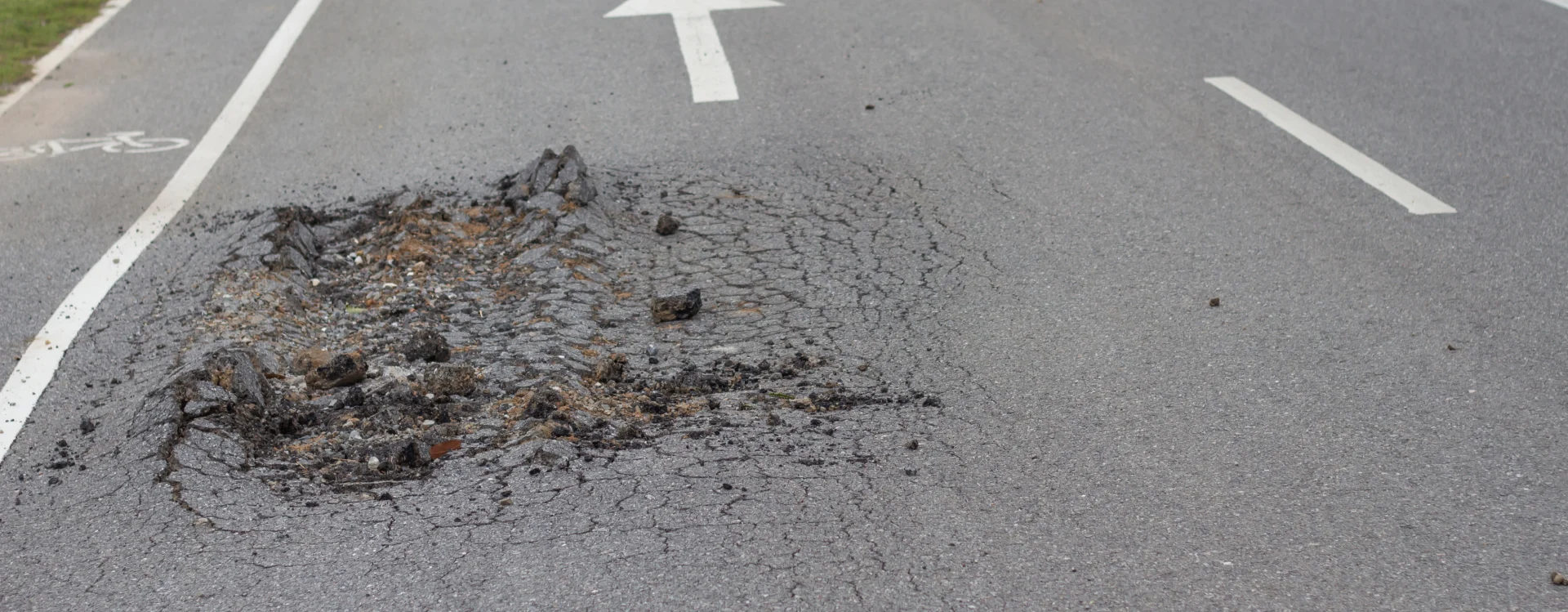
Depressions in pavement refer to areas that are noticeably lower than the surrounding surface, presenting concave or sunken portions. These irregularities arise due to several contributing factors, resulting in compromised road surfaces.
■Traffic Loading: Continual traffic, particularly from heavy vehicles or high traffic volumes, can exert immense pressure on specific sections of the pavement. Over time, this concentrated loading weakens the pavement, leading to depressions or indentations.
■Poor Drainage: Inadequate drainage systems or improper water management on the pavement surface can result in the accumulation of water. Pooled water softens the underlying layers, causing structural weaknesses and settlement, which manifests as depressions.
■Frost Heave: In colder climates, frost heave occurs when moisture in the pavement layers freezes and expands, exerting upward pressure. As the ice thaws, it leaves behind voids beneath the surface, contributing to depressions and unevenness.
Implications of Depressions
Depressions on road surfaces pose various hazards to motorists, cyclists, and pedestrians. They create uneven surfaces, leading to discomfort for road users and potential safety risks, especially during inclement weather conditions. Moreover, vehicle stability can be compromised when navigating areas with significant depressions.
Mitigation Strategies
- Enhance drainage systems to prevent water accumulation that softens the underlying layers and leads to settlement.
- Employ proper construction practices to ensure adequate pavement thickness and strength to withstand traffic loading.
- Address frost heave concerns by implementing appropriate construction techniques and materials in colder climates.
- By enhancing the stability and compaction of the underlying soil layers, soil stabilization helps prevent settlement and unevenness in the pavement, reducing the occurrence of depressions.
Shoving
Shoving refers to the upward displacement or movement of the pavement at the edges of a lane, typically caused by the cumulative effects of traffic loading. This distress presents challenges for vehicles navigating affected areas due to the unevenness and upheaval at the lane’s edges.
Traffic Loading Patterns: Shoving occurs primarily due to the consistent passage of vehicles, particularly at the edges of lanes. As vehicles repeatedly traverse these areas, the pressure and stress exerted on the pavement surface cause localized displacement, resulting in the upward movement observed at the lane edges.
Weak Pavement Structure: Pavements with weaker structural support, inadequate compaction, or compromised materials are more susceptible to shoving. The lack of sufficient stability leads to deformations and displacements under the stress imposed by traffic loads.
Environmental Factors: Extreme temperatures and weather variations contribute to pavement distress. Prolonged exposure to temperature fluctuations can weaken the pavement, making it more prone to deformation and shoving, especially in vulnerable areas like lane edges.

Implications of Shoving
Shoving poses navigation challenges for vehicles, particularly at the edges of lanes, where the upward displacement creates irregular surfaces. This phenomenon can lead to discomfort for motorists, affecting vehicle stability, and potentially causing safety hazards, especially during lane changes or turns.
Mitigation Strategies
- Improve pavement structural support through proper compaction, material selection, and design considerations.
- Implement measures to mitigate traffic-induced stress, such as reinforcing areas prone to shoving with suitable materials or designs.
- Enhance pavement resilience against temperature fluctuations and environmental factors through innovative construction techniques.
Upheaval
Upheaval in pavement refers to uneven elevation on the road surface.
Soil Swelling: Certain soil types, like expansive clays, tend to swell when exposed to moisture. When these soils are present beneath the pavement, excessive moisture infiltration can lead to swelling, resulting in upward movement and unevenness in the road surface.
Underground Utilities: The presence of underground utilities, such as pipes or cables, can sometimes cause upheaval if there are disturbances or shifts in these utilities. As these utilities undergo changes or movements, they can exert pressure on the pavement layers, leading to localized upward movement.
Construction Deficiencies: Inadequate construction practices, such as improper compaction of layers or using unsuitable materials, can create weak points within the pavement structure. These weaknesses might eventually contribute to localized upheaval as the pavement loses its structural integrity over time.
Environmental Changes: Extreme weather events or natural disasters, like earthquakes or flooding, can disrupt the stability of pavement structures. These events may induce shifts or movements in the pavement layers, resulting in localized upheaval in affected areas.

Implications of Upheaval
Upheaval poses significant challenges for road users and vehicles. The irregular elevation in pavement sections creates uneven road surfaces, impacting vehicle stability and causing discomfort for motorists. Additionally, upheaval can lead to safety hazards, especially during inclement weather conditions or when navigating these irregularities at higher speeds.
Mitigation Strategies
- Address soil swelling concerns by employing suitable materials or construction techniques to mitigate the effects of moisture.
- Regularly inspect and maintain underground utilities to prevent disturbances that could contribute to upheaval.
- Improve construction practices to ensure proper compaction and material compatibility, reducing the likelihood of pavement weaknesses leading to upheaval.
- Stabilising the soil beneath the pavement can counteract the effects of soil swelling, thereby minimizing the likelihood of upheaval caused by expansive soils.
Faulting
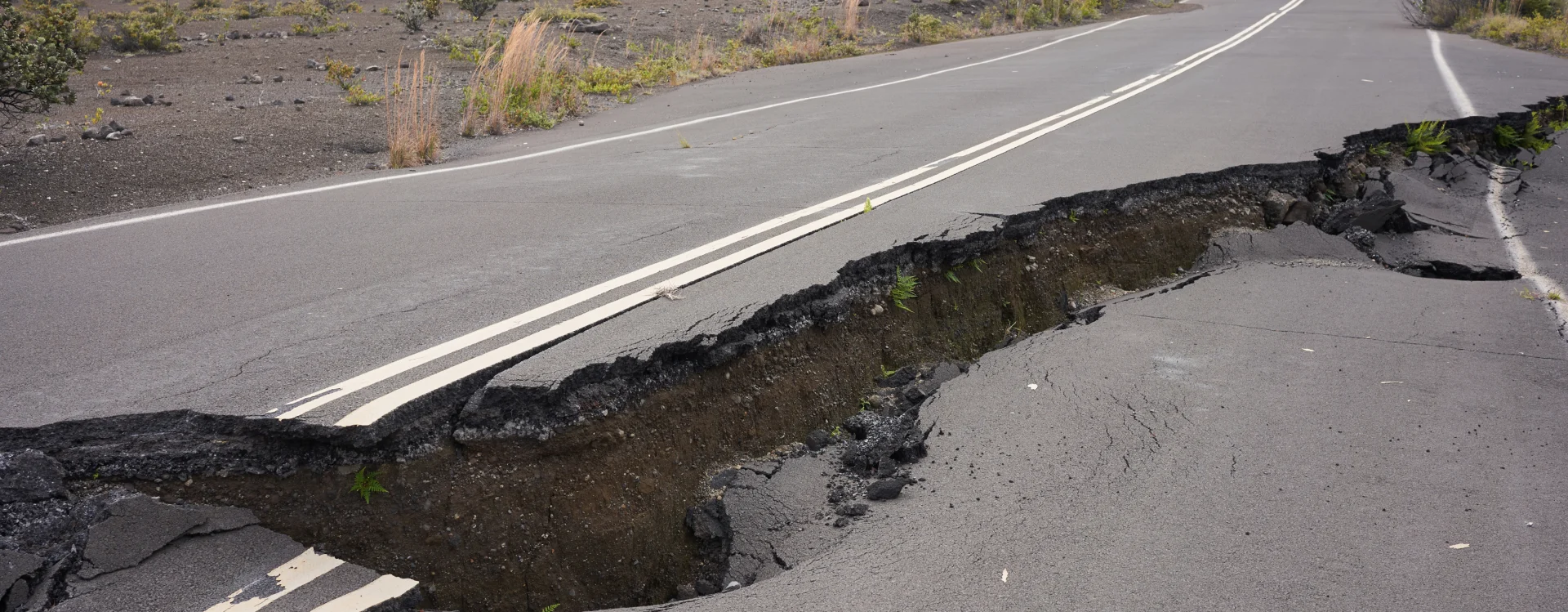
Faulting refers to the vertical displacement or offset observed between adjacent pavement slabs in concrete roadways. This distress manifests as an irregularity where two concrete sections meet, creating an offset, often due to multiple underlying causes.
Material Incompatibility: Incompatibility between different materials used in the pavement layers, such as variations in the coefficient of thermal expansion between adjacent materials, can lead to differential movements at slab joints, contributing to faulting over time.
Subsurface Water Movement: Uncontrolled water movement beneath the pavement layers due to poor drainage or groundwater fluctuations can erode the supporting layers or subgrade beneath the slabs. This erosion weakens the support, leading to differential settlement and subsequent faulting.
Traffic-induced Vibrations: Heavy traffic, especially if accompanied by vibrational stress or repetitive loading, can cause joint deterioration over time. This continuous stress weakens the joint structure, eventually resulting in vertical displacement or faulting between adjacent slabs.
Age and Wear: Aging infrastructure and prolonged use of concrete pavements can lead to wear and tear at joint locations. Over time, joint degradation due to usage and exposure to various elements can contribute to faulting.
Design Inadequacies: Inaccuracies in the initial pavement design, such as improper joint spacing or inadequate load considerations, can result in localized stress concentrations at joints, accelerating faulting over the pavement’s lifespan.
Implications of Faulting
Faulting can negatively impact road users and vehicle performance. The vertical displacement at slab joints creates uneven surfaces, leading to discomfort for motorists, and vehicle wear, and potentially compromising road safety, particularly for vehicles with lower ground clearance.
Mitigation Strategies
- Implement improved joint designs and construction quality control measures to enhance load transfer and reduce stress concentrations.
- Conduct regular maintenance and repairs at joint locations prone to faulting to maintain pavement integrity.
- Address material incompatibility issues and subsurface water movement to mitigate differential settlement between adjacent pavement slabs.
Bleeding
Bleeding refers to the phenomenon where excess asphalt binder rises to the surface of asphalt pavements, creating a glossy, sticky layer. This distress results from multiple contributing factors within the asphalt mix, impacting the pavement’s surface integrity.
High Asphalt Binder Content: Excessive asphalt binder within the asphalt mix, beyond the required proportions, can result in bleeding. This surplus binder gradually migrates upward due to factors like heat and traffic, creating a slick and shiny surface.
Elevated Temperatures: High temperatures, especially during hot weather or under intense sunlight, cause the asphalt binder to soften and become more fluid. This increased fluidity leads to the migration of excess binder to the pavement surface, contributing to bleeding.
Insufficient Aggregate Interlock: Inadequate bonding between the aggregate particles within the asphalt mix can cause the excess binder to move upward. Poor aggregate interlock fails to hold the binder effectively, leading to its migration to the surface.
Traffic and Shear Stress: Continual traffic loads and shear stresses imparted by vehicles exacerbate bleeding. The constant pressure and friction caused by vehicle movement force the excess binder to rise, resulting in the formation of a shiny, sticky layer on the pavement surface.

Implications of Bleeding
Bleeding can pose several challenges for road users and pavement durability. The glossy, sticky surface creates discomfort for motorists, affects vehicle traction, and can lead to safety hazards, particularly for motorcycles or bicycles. Additionally, bleeding reduces pavement skid resistance and can lead to premature aging and degradation of the asphalt surface.
Mitigation Strategies
- Optimize mix designs to ensure correct proportions of aggregate and binder, reducing the likelihood of excess binder rising to the surface.
- Apply surface treatments such as anti-stripping agents or sealants to prevent excess binder migration and enhance pavement durability.
- Implement improved construction practices, including better compaction techniques and adequate bonding between layers, to minimize the risk of bleeding.
Conclusion
The various forms of pavement failure, ranging from cracking to bleeding, highlight the intricate challenges faced by paved surfaces. These issues not only compromise road integrity but also pose safety risks to motorists, cyclists, and pedestrians. Addressing these concerns requires a multifaceted approach, encompassing meticulous construction practices and proactive maintenance strategies.
To address these challenges effectively, a blend of preventive measures and targeted interventions is essential. Key actions include regular inspections for early detection, precise construction techniques, improved material selection, and enhanced drainage systems. Additionally, it’s crucial to explore innovative additives that enhance pavement resilience against various distresses while maintaining environmental friendliness. Embracing sustainable practices and innovative materials not only tackles pavement failures but also contributes to eco-friendliness and the long-term sustainability of our transportation infrastructure.
Ultimately, an informed and proactive approach, coupled with advancements in construction practices and material technologies, holds the key to addressing pavement failures. This concerted effort aims not only to rectify existing issues but also to construct more resilient and sustainable pavements, setting the stage for safer and more dependable transportation networks in the years ahead.
Tags