
Introduction
In the field of civil engineering and construction, guaranteeing the stability and longevity of infrastructure projects is of utmost importance. An innovative method that has been gaining traction in recent years is in-situ stabilisation. This technique provides a holistic approach to strengthening the structural integrity of roads, highways, and various construction projects, all while minimising environmental impact. In this article, we explore the complexities of in-situ stabilisation, its benefits, applications, and why it has become an indispensable tool in modern engineering practices.
What is In-Situ Stabilisation?
In-situ stabilisation is a technique that involves treating existing materials at the construction site to improve their strength, durability, and overall performance. This method eliminates the need for traditional approaches like excavation, removal, and replacement of substandard materials, thereby reducing costs and project timelines. By utilising locally available materials, such as soil, aggregates, or recycled materials, in-situ stabilisation promotes sustainability and minimises transportation-related emissions.
In-Situ Stabilisation Process
The process of in-situ stabilisation typically involves the following steps:
1. Site Assessment
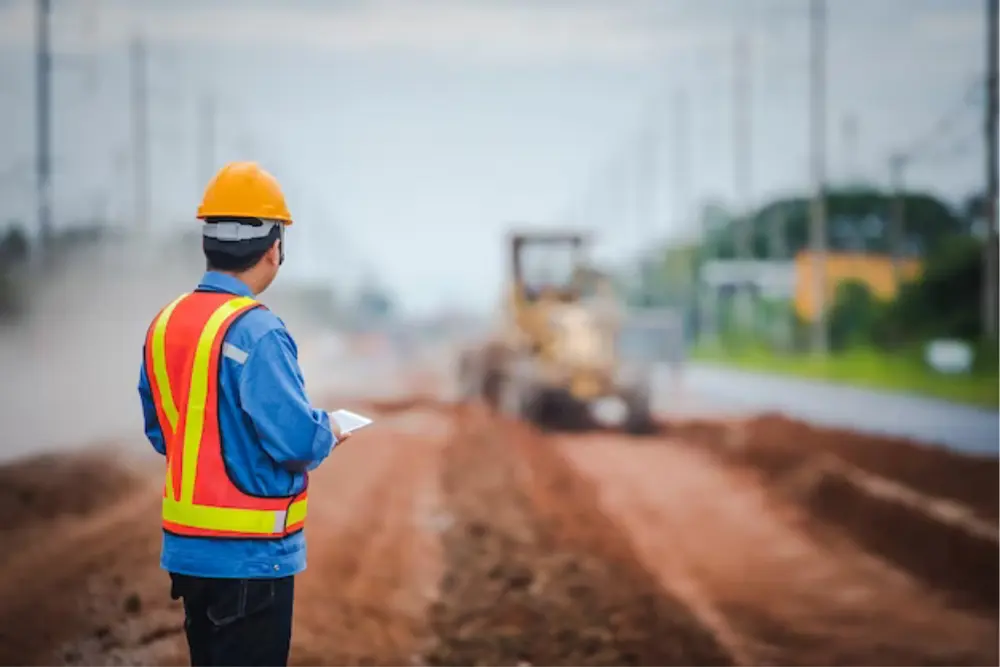
Engineers conduct a thorough evaluation of the project site to assess soil composition, moisture content, and other relevant factors. Design criteria have to be considered during site selection, including the design load and function of the structure, the type of foundation to be used, and the bearing capacity of the subsoil.
2. Material Selection
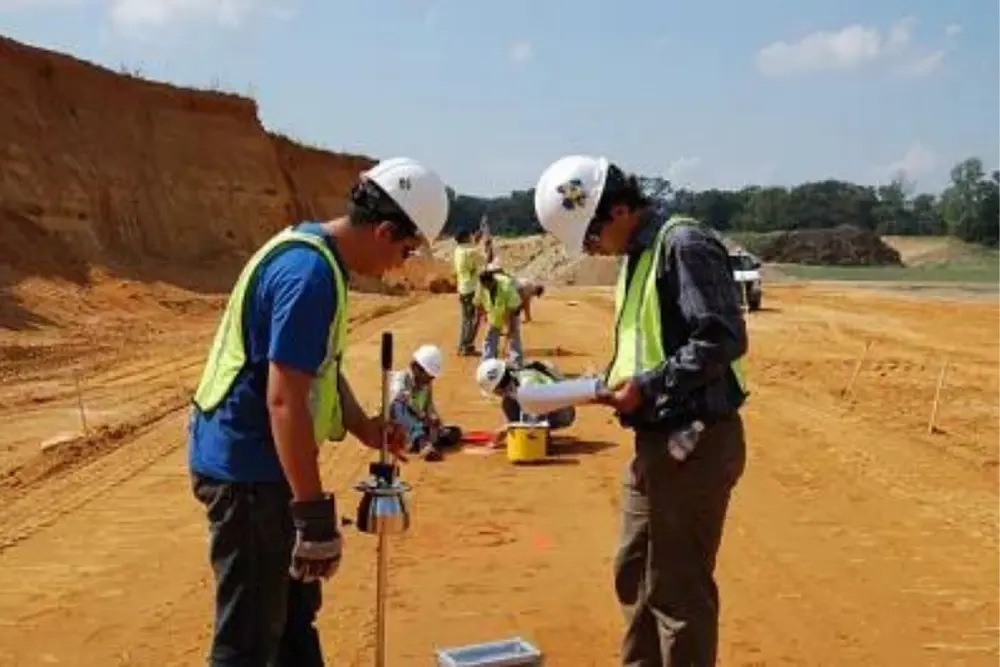
Engineers carefully select suitable stabilising agents based on thorough evaluations of site conditions and project specifications. These agents, which may include cement, lime, fly ash, and nanoengineered admixtures that can be used with any in-situ soil, are chosen to address specific soil characteristics and performance requirements. By tailoring the selection to the unique needs of each project, engineers can achieve optimal results, ensuring the longevity and stability of the constructed infrastructure.
3. Mixing
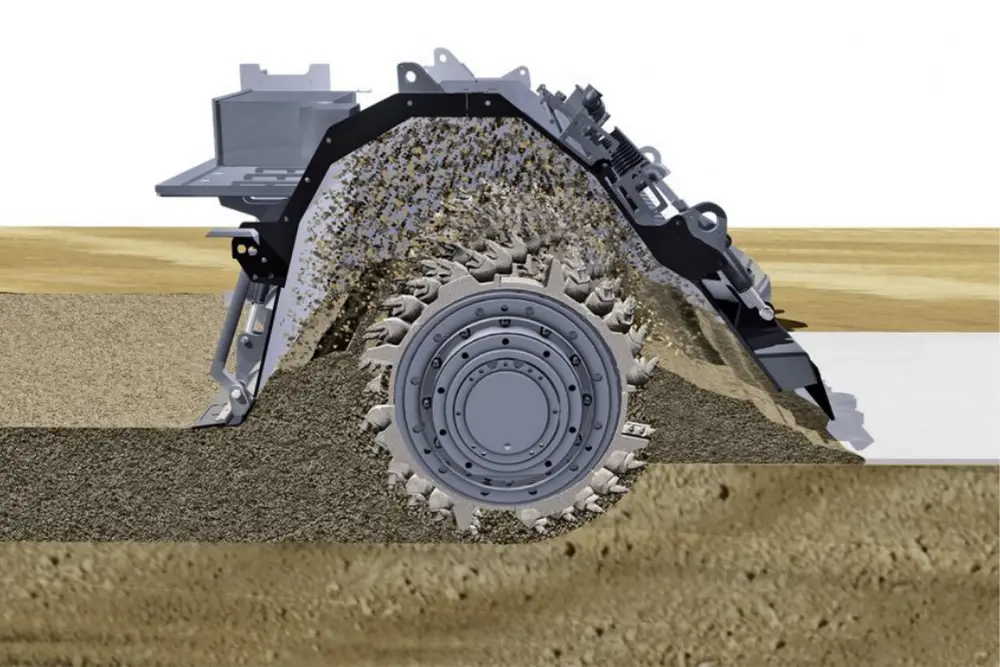
Once the stabilising agents are chosen, they are thoroughly mixed with the existing materials using specialised equipment such as pug mills or stabilisers. This crucial step ensures that the stabilising agents are uniformly distributed throughout the mixture, facilitating proper blending and interaction with the soil or aggregates. Through meticulous mixing, engineers can achieve consistent and homogenous compositions, resulting in enhanced structural properties and improved performance of the treated materials.
4. Compaction
After the stabilising agents are thoroughly mixed with the existing materials, the next step involves compacting the treated mixture using specialised equipment such as rollers or compactors. This process ensures that the material is densely packed and stable, ready to withstand the intended loads and environmental conditions. Through compaction, any voids or gaps within the treated material are minimised, resulting in a more robust and durable construction foundation or surface.

5. Curing
Depending on the stabilising agent used, curing may be required to enhance material strength through hydration or chemical reactions. Incorporating fast-curing admixture enables the pavement to be opened to traffic within 3–12 hours, dependent on temperature and binder type. This accelerates project completion, minimises disruptions, and maintains pavement integrity, promoting both efficiency and sustainability in construction practices.

Advantages of In-Situ Stabilisation
- Cost-Efficiency: In-situ stabilisation reduces the need for importing materials and disposing of excavated materials, leading to significant cost savings.
- Time-Saving: By eliminating the time-consuming processes of excavation and replacement, in-situ stabilisation accelerates project timelines, minimising disruptions and delays.
- Environmental Sustainability: Utilising local materials and minimising transportation reduces carbon emissions and environmental impact, aligning with sustainable development goals.
- Improved Performance: Treated materials exhibit enhanced strength, stiffness, and durability, resulting in longer-lasting infrastructure with reduced maintenance needs. In-situ stabilisation plays a crucial role in preventing pavement failures such as potholes, ruts, and cracks. By strengthening the underlying layers and enhancing the overall pavement structure, this technique effectively mitigates the root causes of these common issues.
- Versatility: In-situ stabilisation can be applied to a wide range of soil types and project scenarios, making it adaptable to various construction challenges.
Diverse Applications of In-Situ Stabilisation
In-situ stabilisation finds diverse applications across the construction industry, including:
- Road Construction and Rehabilitation: Strengthening subgrade soils and stabilising base and sub-base layers to improve pavement performance and longevity.
- Foundation Support: Enhancing soil stability and load-bearing capacity for foundations of buildings, bridges, and other structures
- Erosion Control: Stabilising slopes and embankments to prevent erosion and mitigate landslide risks.
- Mine Site Rehabilitation: Restoring disturbed land by stabilising tailings and waste materials, promoting ecosystem restoration.
Conclusion
In conclusion, the adoption of in-situ stabilisation marks a significant advancement in the field of civil engineering and construction. This innovative technique offers a multitude of benefits, including cost-efficiency, time-saving, environmental sustainability, improved performance, and versatility. By treating existing materials at the construction site, in-situ stabilisation eliminates the need for costly and disruptive excavation processes while enhancing the structural integrity and longevity of infrastructure projects. The process of in-situ stabilisation, from site assessment to material selection, mixing, compaction, and curing, ensures the optimal performance of treated materials. Its diverse applications, ranging from road construction and rehabilitation to foundation support, erosion control, and mine site rehabilitation, highlight its adaptability to various construction challenges.
As the demand for sustainable and efficient construction practices continues to grow, in-situ stabilisation emerges as an indispensable tool for engineers and developers worldwide. By utilising locally available materials and minimising environmental impact, this method helps create a resilient, long-lasting infrastructure that meets the needs of today and tomorrow. In essence, the power of in-situ stabilisation lies in its ability to transform conventional construction methods, driving progress toward a more sustainable and resilient built environment.
-
How to fix Victoria’s Potholes
-
How to Prevent, Repair and Stop Potholes Using Modern Cement Stabilisation
-
Sustainable Road Infrastructure: Using Recycled Materials in Road Construction
-
Finding the Key to Sustainable Mining: The Role of Soil Stabilisation
-
Designing Mine Haul Roads: Precision, Performance, and Practicality on the Ground