
Roads, the lifelines of transportation networks, endure relentless stress from heavy traffic and harsh weather conditions. Over time, this wear and tear manifests as road cracks, compromising safety and efficiency. To tackle this problem, it’s important to understand why these cracks happen and how to prevent them. In this article, we’ll explore different types of road cracks, what causes them, and the best solution.
What are the different types of road cracks
The FHWA Distress Identification Manual categorizes road cracks into seven distinct types.
Fatigue (Alligator) Cracking
This type of cracking, which resembles the skin of an alligator, occurs due to repeated traffic loads and is commonly found on asphalt pavements. The constant flexing of the pavement under heavy traffic leads to the development of interconnected cracks, resembling the scales of an alligator’s skin.

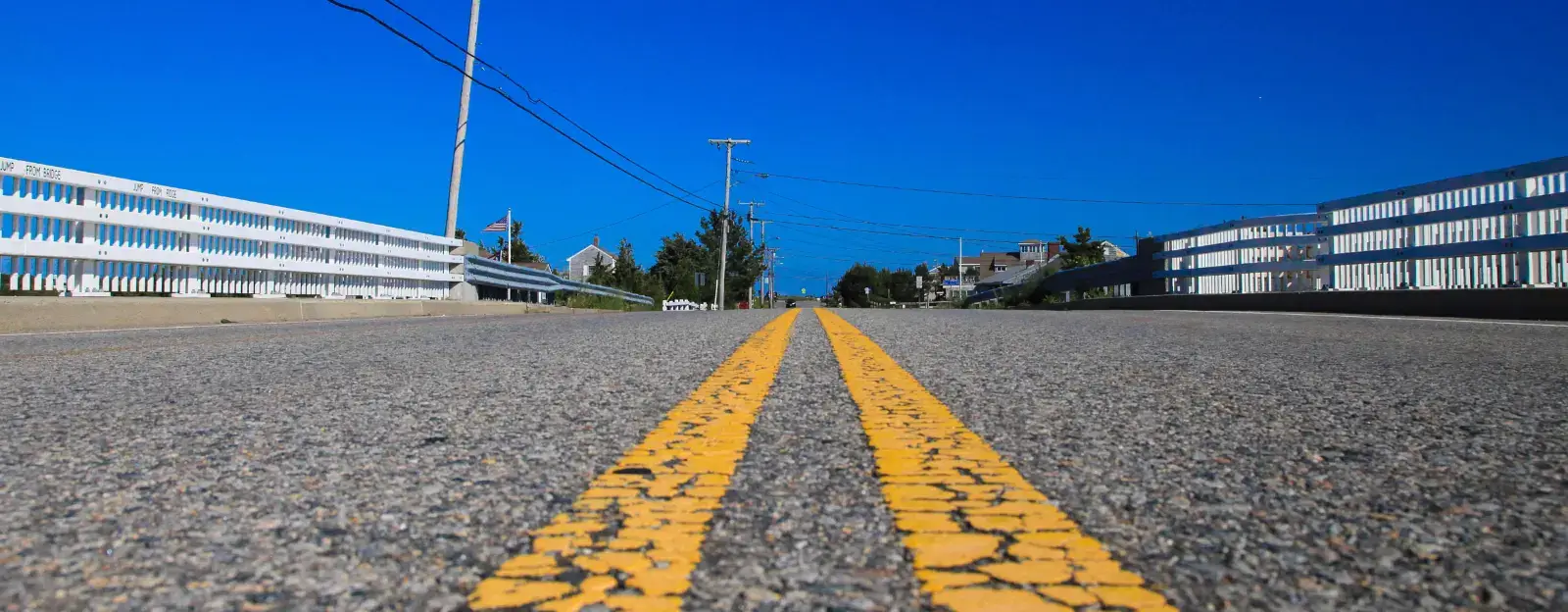
Block Cracks
Block-like patterns develop when asphalt pavement shrinks during low temperatures or due to inadequate compaction during construction. These cracks form as the asphalt pavement contracts and expands with temperature changes, resulting in a pattern resembling a series of interconnected blocks.
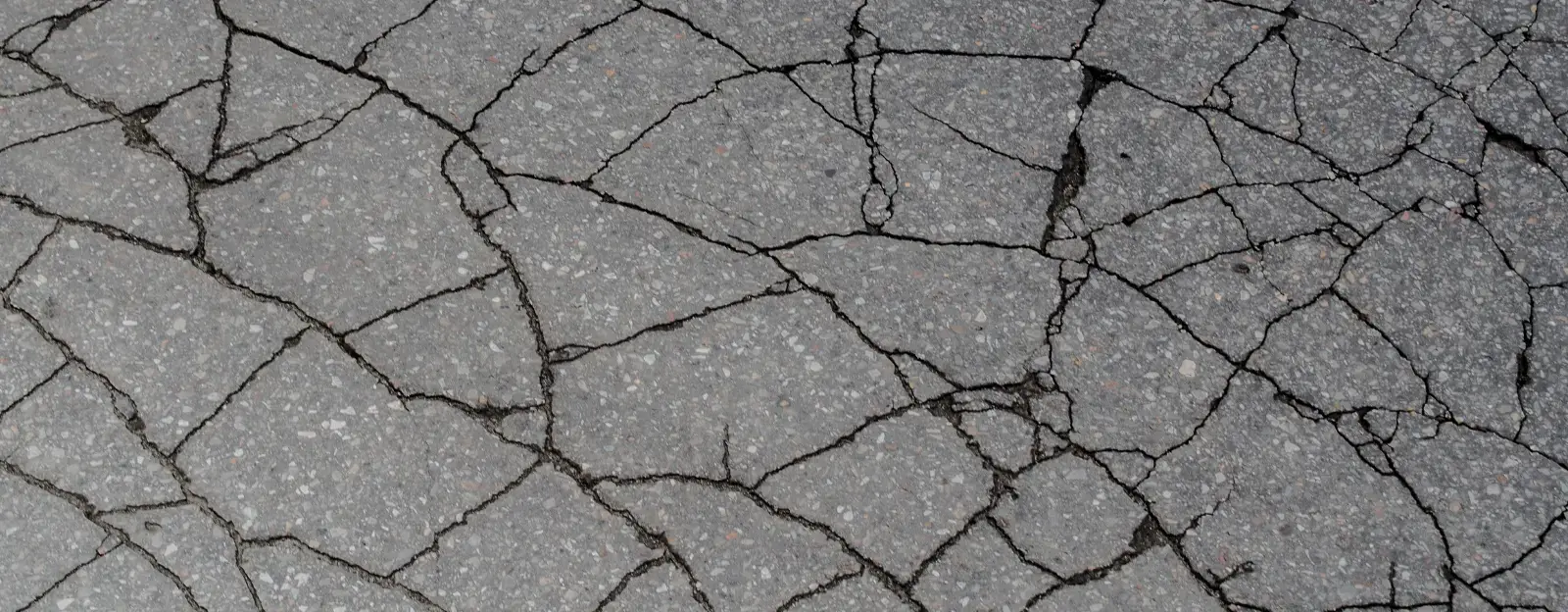
Edge Cracks
Cracks that form along the edges of the road are typically caused by insufficient support at the pavement edge or by erosion. Edge cracks often result from the lack of proper reinforcement or protection along the edges of the pavement, allowing water and debris to infiltrate and weaken the pavement structure.

Wheelpath Longitudinal Cracks
Longitudinal cracks run parallel to the direction of traffic flow, often resulting from repetitive wheel loads and aging of the pavement. These cracks typically form in the areas of the pavement subjected to the most stress from vehicle traffic, gradually extending over time due to continued loading and environmental factors.
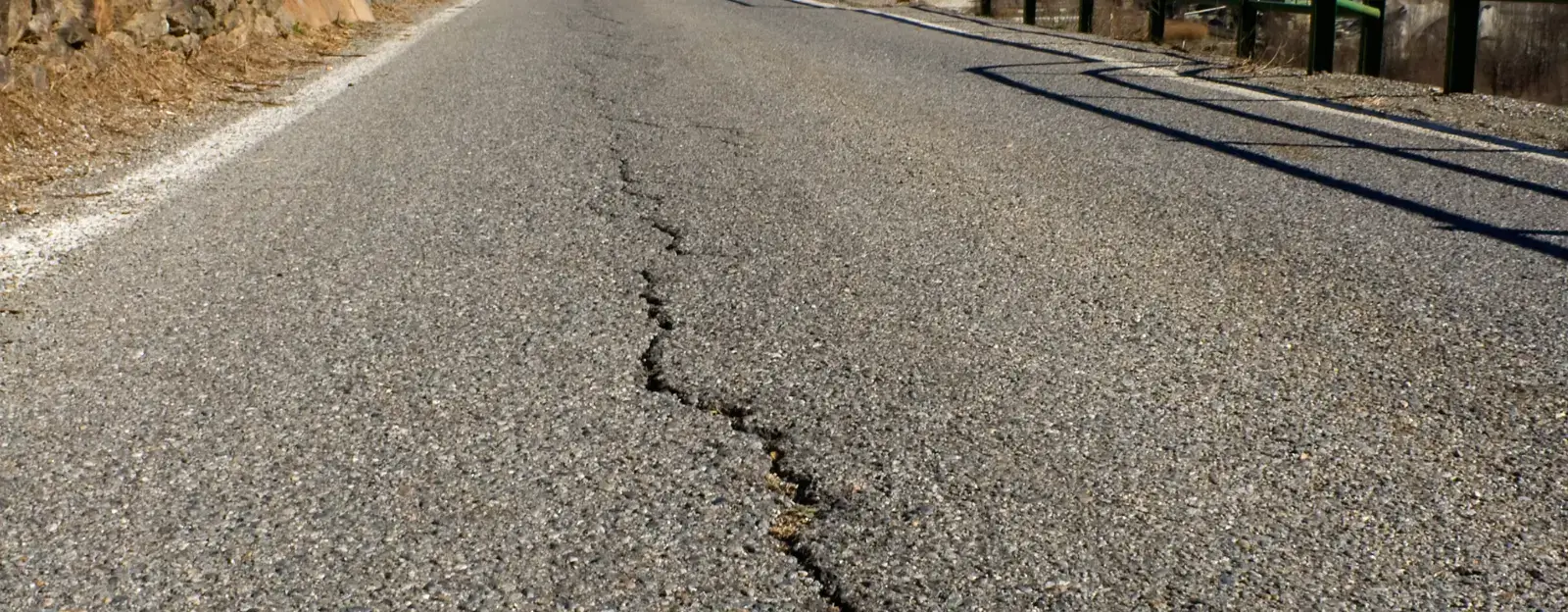
Non-Wheelpath Longitudinal Cracks
Similar to wheel path longitudinal cracks, they occur outside the wheel path, usually due to poor construction quality or inadequate pavement design. These cracks may develop in areas where the pavement structure is weaker or where there are defects in the underlying layers, leading to longitudinal cracking outside the typical wheel tracks.

Transverse Cracking
Cracks perpendicular to the direction of traffic flow, are typically caused by thermal expansion and contraction of the pavement or by underlying structural issues. Transverse cracks often occur due to temperature fluctuations, which cause the pavement to expand and contract, leading to cracking perpendicular to the direction of traffic.

Reflection Road Cracking
Cracks that propagate upward from underlying pavement layers or joints are often caused by movement or deformation in the underlying layers. Reflection cracks typically occur when there is movement or shifting in the layers beneath the pavement, causing cracks to propagate upward through the surface layer.

Understanding the Causes of Road Cracks
Road cracks are caused by the continuous strain of traffic and temperature changes. This stress weakens the surface asphalt and subgrade. Additionally, substandard construction, water infiltration, chemical damage, tree root interference, geological disturbances, heavy vehicle stress, aging infrastructure, lack of maintenance, and design flaws compound the deterioration, causing more significant cracking over time.
Road cracks can generally be categorized into two main groups:
- Load-Induced Road Cracks
This results from the repeated application of heavy loads on the pavement surface, leading to fatigue and eventual cracking. Factors such as traffic volume, vehicle weight, and pavement design influence the severity of these cracks. Load-induced cracks develop gradually over time as the pavement undergoes repeated stress from vehicle traffic, eventually reaching a point where cracks begin to form and propagate.
- Non-Load-Induced Road Cracks
Arise from various non-load-related factors, including temperature fluctuations, moisture infiltration, poor construction practices, inadequate materials, and geological conditions. These cracks can occur independently of traffic loads and are often influenced by environmental factors. Non-load-induced cracks may result from changes in temperature, moisture infiltration, or other environmental factors that weaken the pavement structure, making it susceptible to cracking even in the absence of heavy traffic loads.
Common Methods for Treating Road Cracks
- Cleaning: Before any treatment, it’s crucial to clean the crack thoroughly. Debris, vegetation, and loose materials should be removed using compressed air, wire brushes, or other suitable tools.
- Crack Sealing: Crack sealing involves filling the crack with a flexible sealant material to prevent water infiltration and further deterioration. This method is suitable for small to medium-sized cracks. Hot-applied rubberized asphalt, asphalt emulsion, or polymer-modified asphalt sealants are commonly used for crack sealing.
- Crack Filling: Crack filling is similar to crack sealing but typically involves filling the crack with a more rigid material. It’s suitable for wider cracks or those experiencing minimal movement. Materials like asphalt emulsion, asphalt cement, or specialized crack fillers are used for this purpose.
- Routing and Sealing: In cases of larger or more severe cracks, routing may be necessary. Routing involves cutting a groove along the crack to create a wider, cleaner surface for better adhesion of the sealant. After routing, the crack is filled or sealed using appropriate materials.
- Patch Repairs: For cracks that have developed into potholes or areas of significant deterioration, patch repairs may be required. This involves removing the damaged pavement and replacing it with new asphalt or other suitable materials.
- Overlay or Resurfacing: In some cases, especially when the road surface is extensively cracked or deteriorated, overlay or resurfacing may be the most effective solution. This involves applying a new layer of asphalt or concrete over the existing pavement to restore its structural integrity and smoothness.
How Can Road Cracks Be Prevented?
In road maintenance, the principle “prevention is better than cure” rings true, emphasizing the importance of proactive measures in preserving the integrity and longevity of roads, particularly in preventing road cracks. Rather than waiting for cracks to emerge and necessitate costly repairs, emphasis is placed on preemptive strategies.
Renolith 2.0 exemplifies this approach by utilising a cutting-edge combination of latex and cellulose + ultrafine nanoparticles to effectively prevent road cracks. Latex integration, a proven technique for enhancing the durability of cementitious composites, strengthens the road surface against wear and tear, while the incorporation of cellulose fibers bolsters the toughness of the composite, regulating both crack formation and width.
Through the utilisation of these nanoengineered materials, Renolith 2.0 offers a robust solution for long-lasting road infrastructure, minimising maintenance needs and ensuring safer journeys for all. The Brenner Autobahn serves as a notable example of Renolith 2.0’s effectiveness. Explore the case study here for further insights.
For more information, please visit our resources page.
-
How to fix Victoria’s Potholes
-
How to Prevent, Repair and Stop Potholes Using Modern Cement Stabilisation
-
Sustainable Road Infrastructure: Using Recycled Materials in Road Construction
-
Finding the Key to Sustainable Mining: The Role of Soil Stabilisation
-
Designing Mine Haul Roads: Precision, Performance, and Practicality on the Ground